No products in the cart.


Shopping cart (0)
Subtotal: ₹0.00
Spend ₹350.00 to get free shipping
Congratulations! You've got free shipping.
Menu
Category
- Advocate Office Essentials
- Apparels – Judges, Sr. Counsel and Lawyers
- Artifacts / Gift Items
- Bare Acts – Central
- Bare Acts – State
- Commentaries
- Administrative Law
- Agriculture
- Arbitration
- Banking Law
- Biographies
- Civil Law
- Company Law
- Constitutional Law
- Consumer Law
- Contract Law
- Corporate Law
- Court Rules
- Criminal Law
- Cyber Law
- Family Law
- Intellectual Property
- Labour & Service Law
- Drafting, Pleading and Conveyancing
- Child Advocacy & POCSO
- Bankruptcy & Insolvency
- Shipping & Maritime Law
- Medical Law
- Motor Vehicles Law
- Others
- Tax Laws
- Dictionaries
- Digest
- Journals
- Regional
- Students Corner
- Trophies
- International Books
No products in the cart.
Shopping cart (0)
Subtotal: ₹0.00
Spend ₹350.00 to get free shipping
Congratulations! You've got free shipping.

No products in the cart.
Shopping cart (0)
Subtotal: ₹0.00
Spend ₹350.00 to get free shipping
Congratulations! You've got free shipping.
Menu
Categories
- Advocate Office Essentials
- Advocates Shop
- Apparels - Judges, Sr. Counsel and Lawyers
- Apparels - Judges,Sr. Counsel and Lawyers
- Artifacts / Gift Items
- Bare Acts - Central
- Bare Acts - State
- Civil Laws
- Commentaries
- Administrative Law
- Agriculture
- Arbitration
- Banking Law
- Bankruptcy & Insolvency
- Biographies
- Child Advocacy & POCSO
- Civil Law
- Company Law
- Constitutional Law
- Consumer Law
- Contract Law
- Corporate Law
- Court Rules
- Criminal Law
- Cyber Law
- Drafting, Pleading and Conveyancing
- Family Law
- Intellectual Property
- Labour & Service Law
- Medical Law
- Motor Vehicles Law
- Others
- Shipping & Maritime Law
- Tax Laws
- Decor
- Dictionaries
- Digest
- Exclusive Collection
- International Books
- Journals
- Regional
- Software
- Students Corner
- Trophies
- Uncategorized
Sale
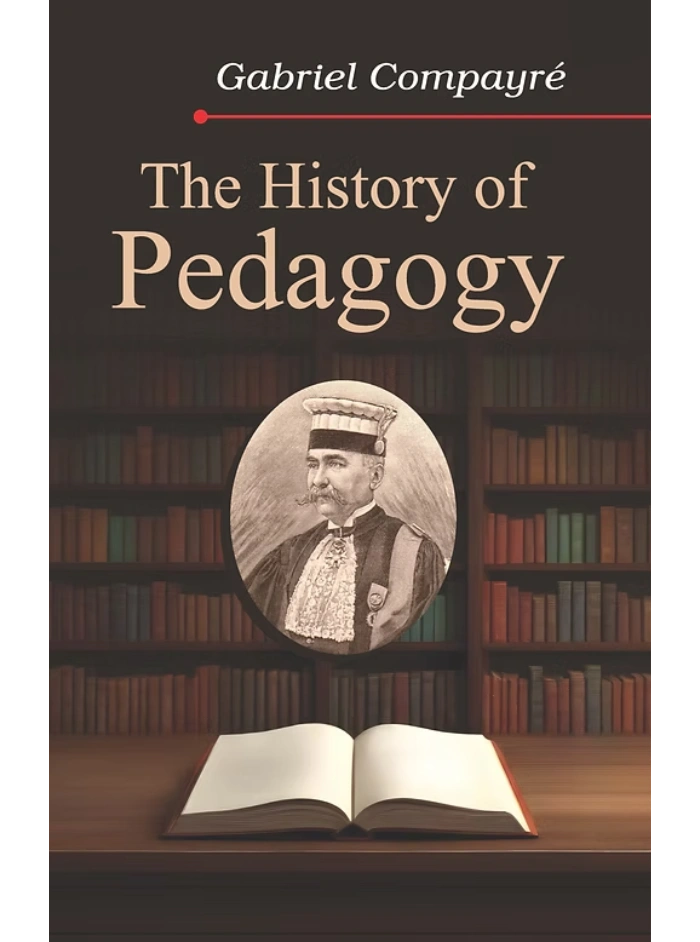
The History Of Pedagogy Edition 2026,PB
₹1,300.00 Original price was: ₹1,300.00.₹1,040.00Current price is: ₹1,040.00.
🔥 3 items sold in last 7 days
34 people are viewing this product right now
The History of Pedagogy by Gabriel Compayré is a foundational work that traces the development of educational thought and teaching methods across different historical periods. The book explores how education has evolved from ancient civilizations to modern systems, highlighting the contributions of influential philosophers and educators. It examines key ideas about learning, discipline, and the role of teachers in shaping society. Compayré presents complex educational theories in a clear and structured manner, making the text accessible to students and readers interested in the history of education. The work provides valuable insights into how educational practices have been influenced by cultural, social, and intellectual movements. This 2026 paperback edition offers a reader-friendly format, making it ideal for teacher training, academic study, and anyone seeking to understand the origins and evolution of pedagogical principles.
In stock
Estimated delivery:November 12, 2026 - November 16, 2026
| Authors of Books | Gabriel Compayré |
|---|
Must have in your Library
The History of Pedagogy is an important scholarly work by Gabriel Compayré that examines the evolution of educational theories and practices over time. The book provides a comprehensive overview of how different civilizations and thinkers have contributed to the development of teaching and learning methods. Beginning with ancient educational systems in Greece and Rome, Compayré explores the ideas of influential philosophers such as Plato and Aristotle, whose theories laid the groundwork for Western education. The narrative continues through the Middle Ages and the Renaissance, highlighting the transformation of education influenced by religious, cultural, and intellectual changes. The work also discusses key figures such as Rousseau, Pestalozzi, and Froebel, who introduced innovative approaches to child-centered learning and modern pedagogy. Compayré emphasizes the relationship between education and society, showing how teaching methods reflect broader social values and goals. The book examines various aspects of education, including curriculum design, discipline, moral instruction, and the role of teachers. By presenting these ideas in a structured and analytical manner, the text helps readers understand the progression of educational thought. One of the strengths of the book is its ability to connect historical developments with contemporary educational practices. Readers gain insight into how past ideas continue to influence modern teaching systems and educational policies. This 2026 paperback edition ensures clarity and accessibility, making it suitable for students, educators, and researchers. The History of Pedagogy remains a valuable resource for understanding the foundations of education and the evolution of teaching methods across time.
| Authors of Books | Gabriel Compayré |
|---|
Be the first to review “The History Of Pedagogy Edition 2026,PB” Cancel reply
Featured Products
The Intersection of Law and Artificial Intelligence
🔥 5 items sold in last 7 days

Important Civil Acts covering 15 Acts
🔥 4 items sold in last 7 days
Rated 5.00 out of 5
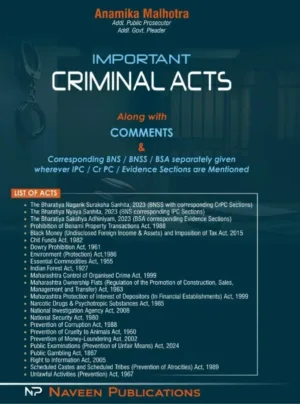
Important Criminal Acts covering 25 Acts
🔥 5 items sold in last 7 days

Criminology & Penology
🔥 5 items sold in last 7 days

Media Laws
🔥 5 items sold in last 7 days
Reviews
There are no reviews yet.