No products in the cart.


Shopping cart (0)
Subtotal: ₹0.00
Spend ₹350.00 to get free shipping
Congratulations! You've got free shipping.
Menu
Category
- Advocate Office Essentials
- Apparels – Judges, Sr. Counsel and Lawyers
- Artifacts / Gift Items
- Bare Acts – Central
- Bare Acts – State
- Commentaries
- Administrative Law
- Agriculture
- Arbitration
- Banking Law
- Biographies
- Civil Law
- Company Law
- Constitutional Law
- Consumer Law
- Contract Law
- Corporate Law
- Court Rules
- Criminal Law
- Cyber Law
- Family Law
- Intellectual Property
- Labour & Service Law
- Drafting, Pleading and Conveyancing
- Child Advocacy & POCSO
- Bankruptcy & Insolvency
- Shipping & Maritime Law
- Medical Law
- Motor Vehicles Law
- Others
- Tax Laws
- Dictionaries
- Digest
- Journals
- Regional
- Students Corner
- Trophies
- International Books
No products in the cart.
Shopping cart (0)
Subtotal: ₹0.00
Spend ₹350.00 to get free shipping
Congratulations! You've got free shipping.
Sale

The Divine Comedy Edition 2026,PB
₹1,395.00 Original price was: ₹1,395.00.₹1,116.00Current price is: ₹1,116.00.
🔥 5 items sold in last 7 days
12 people are viewing this product right now
The Divine Comedy by Dante Alighieri is one of the greatest works of world literature, offering a profound poetic journey through the realms of the afterlife—Inferno, Purgatorio, and Paradiso. The narrative follows Dante himself as he is guided by Virgil and later Beatrice, exploring themes of sin, redemption, justice, and divine love. Written in rich and symbolic language, the poem reflects medieval philosophy, theology, and human morality. Each realm presents vivid imagery and moral lessons, making the work both intellectually and emotionally engaging. Dante’s exploration of the human soul and its relationship with divine order gives the poem timeless significance. This 2026 paperback edition presents the classic in a clear and accessible format, making it suitable for students, scholars, and readers interested in poetry, philosophy, and spiritual literature.
In stock
Estimated delivery:September 9, 2026 - September 11, 2026
| Authors of Books | Dante Alighieri |
|---|
Must have in your Library
The Divine Comedy is a monumental epic poem by Dante Alighieri, widely regarded as one of the most important works in Western literature. Composed in the early 14th century, the poem is divided into three parts—Inferno (Hell), Purgatorio (Purgatory), and Paradiso (Heaven)—each representing a stage in the soul’s journey toward enlightenment and salvation. The narrative begins with Dante lost in a dark forest, symbolizing spiritual confusion. He is guided by the Roman poet Virgil through the circles of Hell, where sinners are punished according to the nature of their sins. This section offers vivid and often dramatic depictions of justice and moral consequence. Dante then ascends Mount Purgatory, where souls seek purification and redemption, reflecting hope and transformation. In the final part, Paradiso, Dante is guided by Beatrice, representing divine love and spiritual truth. Here, he experiences the beauty and harmony of Heaven, culminating in a vision of divine unity. Throughout the poem, Dante combines personal experience with broader philosophical and theological ideas, creating a deeply layered narrative. The work explores themes such as justice, free will, morality, and the pursuit of spiritual truth. Its use of allegory and symbolism allows readers to interpret the poem on multiple levels, making it both intellectually rich and emotionally powerful. This 2026 paperback edition ensures readability while preserving the poetic brilliance of the original text. Ideal for students, scholars, and general readers, The Divine Comedy remains a timeless exploration of the human condition and the quest for meaning and salvation.
| Authors of Books | Dante Alighieri |
|---|
Be the first to review “The Divine Comedy Edition 2026,PB” Cancel reply
Featured Products
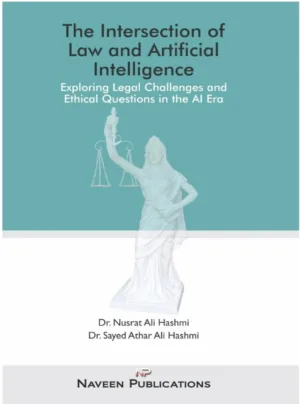
The Intersection of Law and Artificial Intelligence
🔥 7 items sold in last 7 days
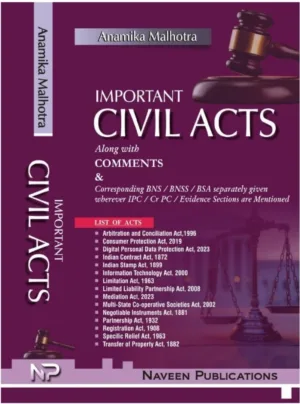
Important Civil Acts covering 15 Acts
🔥 6 items sold in last 7 days
Rated 5.00 out of 5
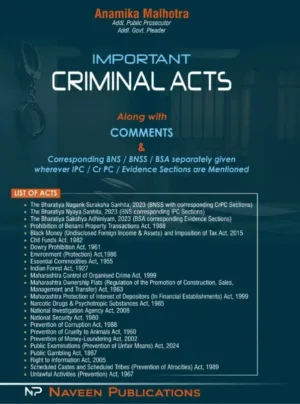
Important Criminal Acts covering 25 Acts
🔥 7 items sold in last 7 days
Criminology & Penology
🔥 2 items sold in last 7 days
Media Laws
🔥 4 items sold in last 7 days
Reviews
There are no reviews yet.