No products in the cart.


Shopping cart (0)
Subtotal: ₹0.00
Spend ₹350.00 to get free shipping
Congratulations! You've got free shipping.
Menu
Category
- Advocate Office Essentials
- Apparels – Judges, Sr. Counsel and Lawyers
- Artifacts / Gift Items
- Bare Acts – Central
- Bare Acts – State
- Commentaries
- Administrative Law
- Agriculture
- Arbitration
- Banking Law
- Biographies
- Civil Law
- Company Law
- Constitutional Law
- Consumer Law
- Contract Law
- Corporate Law
- Court Rules
- Criminal Law
- Cyber Law
- Family Law
- Intellectual Property
- Labour & Service Law
- Drafting, Pleading and Conveyancing
- Child Advocacy & POCSO
- Bankruptcy & Insolvency
- Shipping & Maritime Law
- Medical Law
- Motor Vehicles Law
- Others
- Tax Laws
- Dictionaries
- Digest
- Journals
- Regional
- Students Corner
- Trophies
- International Books
No products in the cart.
Shopping cart (0)
Subtotal: ₹0.00
Spend ₹350.00 to get free shipping
Congratulations! You've got free shipping.

No products in the cart.
Shopping cart (0)
Subtotal: ₹0.00
Spend ₹350.00 to get free shipping
Congratulations! You've got free shipping.
Menu
Categories
- Advocate Office Essentials
- Advocates Shop
- Apparels - Judges, Sr. Counsel and Lawyers
- Apparels - Judges,Sr. Counsel and Lawyers
- Artifacts / Gift Items
- Bare Acts - Central
- Bare Acts - State
- Civil Laws
- Commentaries
- Administrative Law
- Agriculture
- Arbitration
- Banking Law
- Bankruptcy & Insolvency
- Biographies
- Child Advocacy & POCSO
- Civil Law
- Company Law
- Constitutional Law
- Consumer Law
- Contract Law
- Corporate Law
- Court Rules
- Criminal Law
- Cyber Law
- Drafting, Pleading and Conveyancing
- Family Law
- Intellectual Property
- Labour & Service Law
- Medical Law
- Motor Vehicles Law
- Others
- Shipping & Maritime Law
- Tax Laws
- Decor
- Dictionaries
- Digest
- Exclusive Collection
- International Books
- Journals
- Regional
- Software
- Students Corner
- Trophies
- Uncategorized
Sale
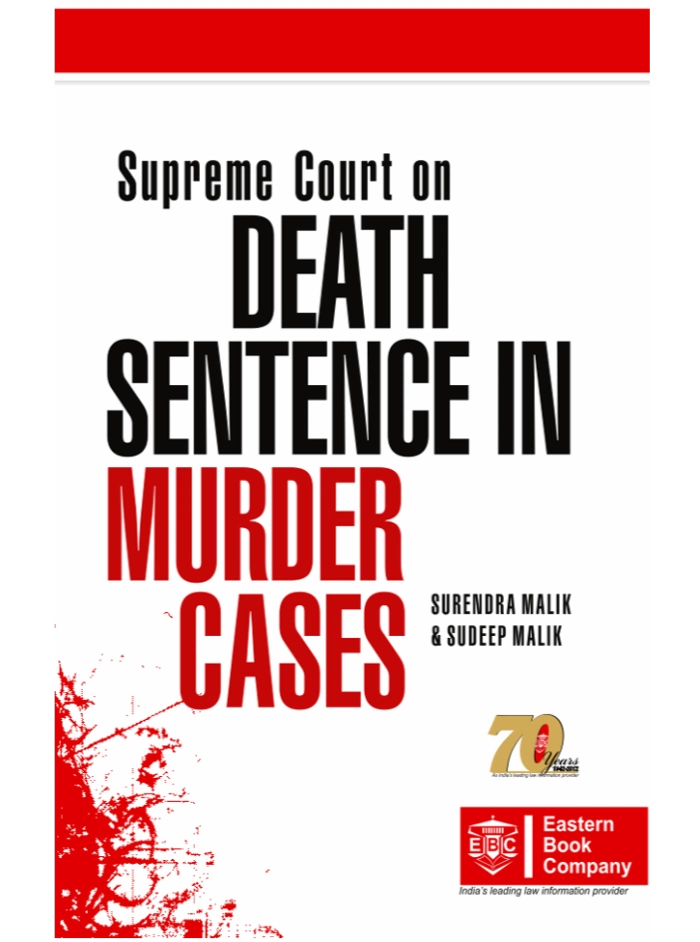
Supreme Court on Death Sentence in Murder Cases (1st Edition)
₹795.00 Original price was: ₹795.00.₹636.00Current price is: ₹636.00.
🔥 2 items sold in last 7 days
40 people are viewing this product right now
This specialised volume examines Supreme Court jurisprudence on the imposition of the death sentence in murder cases, offering an in-depth analysis of one of the most sensitive areas of criminal law. The book traces the development of capital punishment jurisprudence in India, with particular focus on the ‘rarest of rare’ doctrine and sentencing discretion under the Indian Penal Code. It analyses how the Supreme Court has balanced retributive justice, deterrence, reformative theory, and constitutional guarantees.
The work compiles landmark judgments that define aggravating and mitigating circumstances, procedural safeguards, and the role of judicial conscience in sentencing. It highlights the Court’s emphasis on individualized sentencing and the necessity of reasoned judgments in death penalty cases. By examining constitutional provisions, especially Articles 14 and 21, the book illustrates how the right to life and fair procedure shape capital sentencing.
Structured thematically, the volume enables readers to understand evolving standards and judicial caution in awarding the death penalty. It serves as a vital reference for criminal practitioners, judges, and scholars seeking clarity on sentencing principles in murder cases. The analytical depth and focused coverage make this book a valuable contribution to criminal law literature.
In stock
SKU:
NP4169
Categories: Central, Commentaries, Criminal Law, Digest
Brand:
Eastern Book Company
Tags: Central, Civil Law, Commentaries, Digest
Estimated delivery:November 6, 2026 - November 10, 2026
| Authors of Books | Surendra Malik |
|---|
Must have in your Library
This book provides a focused and comprehensive analysis of Supreme Court decisions relating to the death sentence in murder cases. It captures the evolution of Indian capital punishment jurisprudence, beginning with early constitutional challenges and culminating in the refined application of the ‘rarest of rare’ doctrine. The work examines how the Supreme Court has consistently stressed restraint, judicial reasoning, and adherence to constitutional morality in awarding the ultimate punishment.
Through detailed examination of leading judgments, the book identifies the factors that guide sentencing discretion, including the nature of the crime, circumstances of the offender, societal impact, and possibility of reform. It highlights the Court’s insistence on balancing aggravating and mitigating circumstances and ensuring that death penalty decisions are supported by compelling reasons. The role of procedural fairness, victim impact, and proportionality is explored in depth.
The volume also addresses inconsistencies and debates within death penalty jurisprudence, providing clarity on how conflicting precedents have been reconciled. By situating Supreme Court reasoning within constitutional values of dignity and justice, the book offers a nuanced understanding of capital sentencing.
This work is particularly relevant for advocates handling murder trials and appeals, judges engaged in sentencing, and academicians studying constitutional and criminal jurisprudence. Its focused scope, analytical rigor, and reliance on authoritative rulings make it an indispensable reference on death sentence jurisprudence in India.
| Authors of Books | Surendra Malik |
|---|
Be the first to review “Supreme Court on Death Sentence in Murder Cases (1st Edition)” Cancel reply
Featured Products
The Intersection of Law and Artificial Intelligence
🔥 6 items sold in last 7 days
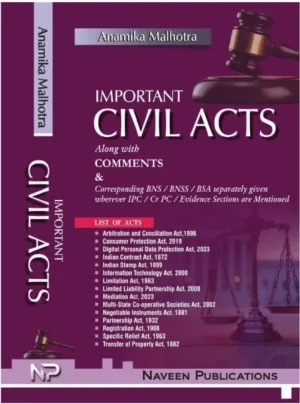
Important Civil Acts covering 15 Acts
🔥 3 items sold in last 7 days
Rated 5.00 out of 5
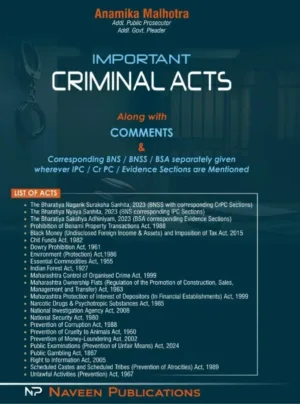
Important Criminal Acts covering 25 Acts
🔥 6 items sold in last 7 days
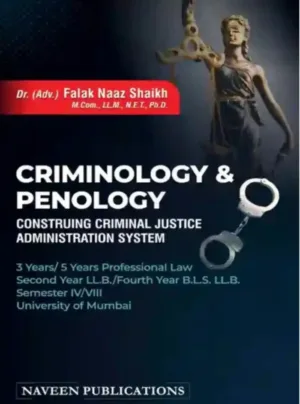
Criminology & Penology
🔥 6 items sold in last 7 days
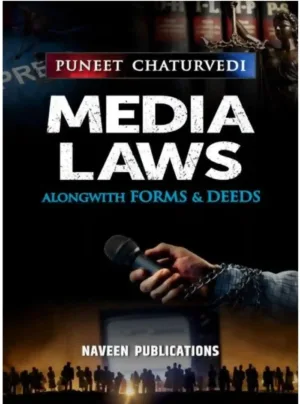
Media Laws
🔥 6 items sold in last 7 days
Reviews
There are no reviews yet.