No products in the cart.


Shopping cart (0)
Subtotal: ₹0.00
Spend ₹350.00 to get free shipping
Congratulations! You've got free shipping.
Menu
Category
- Advocate Office Essentials
- Apparels – Judges, Sr. Counsel and Lawyers
- Artifacts / Gift Items
- Bare Acts – Central
- Bare Acts – State
- Commentaries
- Administrative Law
- Agriculture
- Arbitration
- Banking Law
- Biographies
- Civil Law
- Company Law
- Constitutional Law
- Consumer Law
- Contract Law
- Corporate Law
- Court Rules
- Criminal Law
- Cyber Law
- Family Law
- Intellectual Property
- Labour & Service Law
- Drafting, Pleading and Conveyancing
- Child Advocacy & POCSO
- Bankruptcy & Insolvency
- Shipping & Maritime Law
- Medical Law
- Motor Vehicles Law
- Others
- Tax Laws
- Dictionaries
- Digest
- Journals
- Regional
- Students Corner
- Trophies
- International Books
No products in the cart.
Shopping cart (0)
Subtotal: ₹0.00
Spend ₹350.00 to get free shipping
Congratulations! You've got free shipping.
No products in the cart.
Shopping cart (0)
Subtotal: ₹0.00
Spend ₹350.00 to get free shipping
Congratulations! You've got free shipping.
Menu
Categories
- Advocate Office Essentials
- Advocates Shop
- Apparels - Judges, Sr. Counsel and Lawyers
- Apparels - Judges,Sr. Counsel and Lawyers
- Artifacts / Gift Items
- Bare Acts - Central
- Bare Acts - State
- Civil Laws
- Commentaries
- Administrative Law
- Agriculture
- Arbitration
- Banking Law
- Bankruptcy & Insolvency
- Biographies
- Child Advocacy & POCSO
- Civil Law
- Company Law
- Constitutional Law
- Consumer Law
- Contract Law
- Corporate Law
- Court Rules
- Criminal Law
- Cyber Law
- Drafting, Pleading and Conveyancing
- Family Law
- Intellectual Property
- Labour & Service Law
- Medical Law
- Motor Vehicles Law
- Others
- Shipping & Maritime Law
- Tax Laws
- Decor
- Dictionaries
- Digest
- Exclusive Collection
- International Books
- Journals
- Regional
- Software
- Students Corner
- Trophies
- Uncategorized
Sale
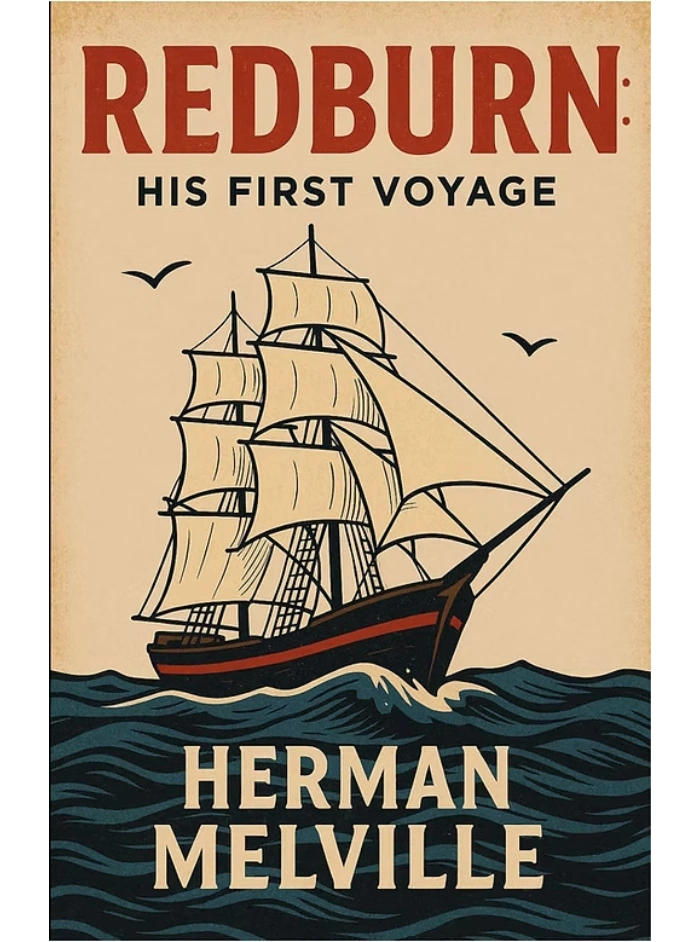
Redburn: His First Voyage Edition 2026,PB
₹895.00 Original price was: ₹895.00.₹716.00Current price is: ₹716.00.
🔥 6 items sold in last 7 days
47 people are viewing this product right now
Redburn: His First Voyage by Herman Melville is a compelling maritime novel that traces the journey of a young man embarking on his first sea voyage. Driven by financial necessity and youthful curiosity, Wellingborough Redburn leaves behind his sheltered life to experience the unpredictable and often harsh world of ocean travel. Through vivid storytelling, Melville captures the emotional and physical challenges faced by sailors, from exhausting labor to social inequality aboard the ship. The narrative highlights Redburn’s gradual transformation as he confronts hardship, disappointment, and the loss of innocence. At the same time, the novel offers rich descriptions of seafaring life, foreign ports, and cultural encounters. This 2026 paperback edition presents the text in a clear and accessible format, making it suitable for modern readers, students, and enthusiasts of classic literature. Blending adventure with introspection, Redburn remains a powerful exploration of youth, identity, and the realities of life beyond comfort and expectation.
In stock
Estimated delivery:September 10, 2026 - September 14, 2026
| Authors of Books | Herman Melville |
|---|
Must have in your Library
Redburn: His First Voyage stands as an important early work by Herman Melville, offering readers a semi-autobiographical glimpse into the author’s own experiences at sea. The novel follows Wellingborough Redburn, a young man from a once-prosperous family who is forced by financial difficulties to seek employment as a sailor. Filled with romantic notions of adventure and discovery, Redburn boards a merchant ship bound for Liverpool, expecting an exciting journey. However, his expectations quickly give way to the stark realities of maritime life. Life aboard the ship proves to be physically demanding and socially complex. Redburn must adapt to strict discipline, harsh working conditions, and the rigid hierarchy among the crew. Through these experiences, Melville explores the theme of disillusionment, showing how youthful dreams often collide with reality. The protagonist’s journey becomes one of personal growth, as he learns resilience, humility, and a deeper understanding of the world around him. Upon reaching Liverpool, Redburn encounters poverty and social inequality on a larger scale than he has ever seen before. These experiences broaden his perspective and deepen the novel’s social commentary. Melville highlights the struggles of the working class and critiques the economic systems that perpetuate hardship. This aspect of the narrative adds depth and relevance, making the novel more than just a tale of adventure. The return voyage presents further challenges, reinforcing Redburn’s transformation from an inexperienced youth into a more mature and reflective individual. Melville’s descriptive writing immerses readers in the sights, sounds, and emotions of seafaring life, while his introspective tone provides insight into the protagonist’s internal struggles. One of the strengths of the novel lies in its balance between realism and emotional depth. Melville does not romanticize life at sea; instead, he presents it with honesty and nuance. This approach allows readers to connect with Redburn’s experiences on a personal level. The novel also serves as a critique of societal expectations and the illusion of upward mobility. This 2026 paperback edition ensures that Melville’s work remains accessible to contemporary readers. With clear formatting and readability, it is ideal for students, scholars, and anyone interested in classic literature, maritime history, or coming-of-age narratives. Redburn: His First Voyage continues to resonate as a timeless exploration of ambition, hardship, and the journey toward self-awareness.
| Authors of Books | Herman Melville |
|---|
Be the first to review “Redburn: His First Voyage Edition 2026,PB” Cancel reply
Featured Products

The Intersection of Law and Artificial Intelligence
🔥 4 items sold in last 7 days

Important Civil Acts covering 15 Acts
🔥 5 items sold in last 7 days
Rated 5.00 out of 5
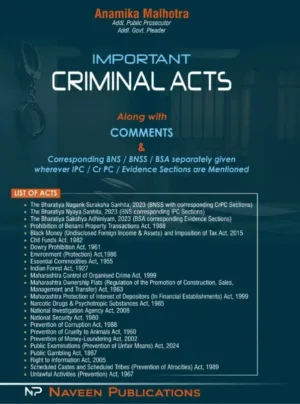
Important Criminal Acts covering 25 Acts
🔥 6 items sold in last 7 days

Criminology & Penology
🔥 6 items sold in last 7 days
Media Laws
🔥 6 items sold in last 7 days
Reviews
There are no reviews yet.