No products in the cart.


Shopping cart (0)
Subtotal: ₹0.00
Spend ₹350.00 to get free shipping
Congratulations! You've got free shipping.
Menu
Category
- Advocate Office Essentials
- Apparels – Judges, Sr. Counsel and Lawyers
- Artifacts / Gift Items
- Bare Acts – Central
- Bare Acts – State
- Commentaries
- Administrative Law
- Agriculture
- Arbitration
- Banking Law
- Biographies
- Civil Law
- Company Law
- Constitutional Law
- Consumer Law
- Contract Law
- Corporate Law
- Court Rules
- Criminal Law
- Cyber Law
- Family Law
- Intellectual Property
- Labour & Service Law
- Drafting, Pleading and Conveyancing
- Child Advocacy & POCSO
- Bankruptcy & Insolvency
- Shipping & Maritime Law
- Medical Law
- Motor Vehicles Law
- Others
- Tax Laws
- Dictionaries
- Digest
- Journals
- Regional
- Students Corner
- Trophies
- International Books
No products in the cart.
Shopping cart (0)
Subtotal: ₹0.00
Spend ₹350.00 to get free shipping
Congratulations! You've got free shipping.
Sale

Gerontion Edition 2026,PB
₹150.00 Original price was: ₹150.00.₹120.00Current price is: ₹120.00.
🔥 3 items sold in last 7 days
29 people are viewing this product right now
Gerontion is a powerful modernist poem that reflects on aging, history, and spiritual emptiness. Narrated by an elderly man, the poem explores themes of memory, decay, and the fragmentation of modern life. Written in a complex and symbolic style, it captures the disillusionment of the post-war world. T. S. Eliot’s rich imagery and philosophical depth make this work significant in modern poetry. Ideal for students and literature enthusiasts, this classic poem offers deep insights into human consciousness and the passage of time.
In stock
Estimated delivery:September 9, 2026 - September 11, 2026
| Authors of Books | T. S. Eliot |
|---|
Must have in your Library
Gerontion (Edition 2026) by T. S. Eliot is a significant modernist poem that presents a deeply reflective and symbolic exploration of human existence. The poem is narrated by an elderly man, Gerontion, whose reflections on life reveal themes of aging, spiritual decline, and historical disillusionment. Set against the backdrop of a fragmented post-war world, the poem captures a sense of emptiness and loss of meaning. Eliot uses rich imagery, allusions, and a fragmented narrative style to express the complexity of modern life and the human psyche. The poem reflects on religion, morality, and the inability of modern society to find spiritual fulfillment. One of the central aspects of “Gerontion” is its exploration of time and memory, showing how the past influences the present while also highlighting the inevitability of decline. The poem’s language is dense and symbolic, making it a valuable text for literary analysis and academic study. Widely studied in modern literature courses, “Gerontion” is considered an important work in Eliot’s poetic career. It provides insight into modernist themes such as alienation, fragmentation, and existential questioning. Overall, this poem is a profound reflection on human life, history, and the search for meaning in a changing world.
| Authors of Books | T. S. Eliot |
|---|
Be the first to review “Gerontion Edition 2026,PB” Cancel reply
Featured Products
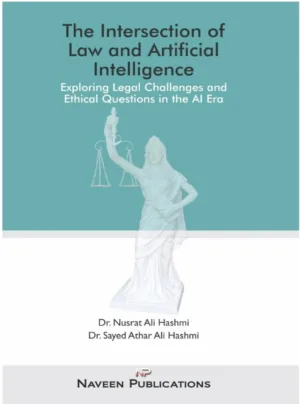
The Intersection of Law and Artificial Intelligence
🔥 7 items sold in last 7 days
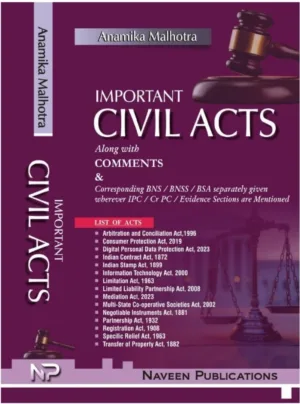
Important Civil Acts covering 15 Acts
🔥 6 items sold in last 7 days
Rated 5.00 out of 5
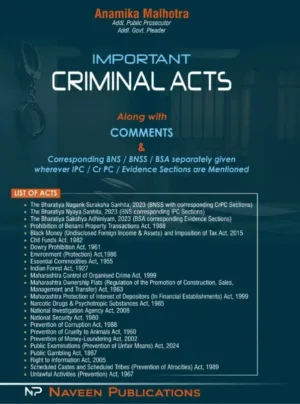
Important Criminal Acts covering 25 Acts
🔥 7 items sold in last 7 days

Criminology & Penology
🔥 2 items sold in last 7 days
Media Laws
🔥 4 items sold in last 7 days
Reviews
There are no reviews yet.