No products in the cart.


Shopping cart (0)
Subtotal: ₹0.00
Spend ₹350.00 to get free shipping
Congratulations! You've got free shipping.
Menu
Category
- Advocate Office Essentials
- Apparels – Judges, Sr. Counsel and Lawyers
- Artifacts / Gift Items
- Bare Acts – Central
- Bare Acts – State
- Commentaries
- Administrative Law
- Agriculture
- Arbitration
- Banking Law
- Biographies
- Civil Law
- Company Law
- Constitutional Law
- Consumer Law
- Contract Law
- Corporate Law
- Court Rules
- Criminal Law
- Cyber Law
- Family Law
- Intellectual Property
- Labour & Service Law
- Drafting, Pleading and Conveyancing
- Child Advocacy & POCSO
- Bankruptcy & Insolvency
- Shipping & Maritime Law
- Medical Law
- Motor Vehicles Law
- Others
- Tax Laws
- Dictionaries
- Digest
- Journals
- Regional
- Students Corner
- Trophies
- International Books
No products in the cart.
Shopping cart (0)
Subtotal: ₹0.00
Spend ₹350.00 to get free shipping
Congratulations! You've got free shipping.
Sale

From The Earth To The Moon Edition 2026,PB
₹450.00 Original price was: ₹450.00.₹360.00Current price is: ₹360.00.
🔥 7 items sold in last 7 days
35 people are viewing this product right now
From the Earth to the Moon is a pioneering science fiction novel that imagines humanity’s first journey to the Moon. The story follows a group of ambitious scientists and engineers who design a giant cannon to launch a projectile carrying humans into space. Blending scientific ideas with adventure, the novel reflects human curiosity and innovation. Written in an engaging and imaginative style, this classic is ideal for students and readers interested in science fiction, exploration, and technological imagination.
In stock
Estimated delivery:September 9, 2026 - September 11, 2026
| Authors of Books | Jules Verne |
|---|
Must have in your Library
From the Earth to the Moon (Edition 2026) by Jules Verne is one of the earliest works of science fiction that explores the idea of space travel long before it became a reality. The novel centers on the Baltimore Gun Club, a group of artillery enthusiasts who decide to undertake an ambitious project—to send a projectile to the Moon. The members, led by Impey Barbicane, design an enormous cannon capable of launching a capsule carrying passengers into space. The story combines scientific reasoning with imaginative speculation, reflecting the technological optimism of the 19th century. Verne’s narrative explores themes of innovation, exploration, ambition, and human curiosity. The book also includes detailed descriptions of calculations, engineering challenges, and preparations for the journey, making it both educational and entertaining. Widely regarded as a classic of science fiction, the novel inspired future generations of scientists and writers. It remains an important work for students and readers interested in space exploration and the history of scientific imagination. Overall, “From the Earth to the Moon” is a visionary and engaging story that celebrates human ingenuity and the desire to explore beyond our world.
| Authors of Books | Jules Verne |
|---|
Be the first to review “From The Earth To The Moon Edition 2026,PB” Cancel reply
Featured Products
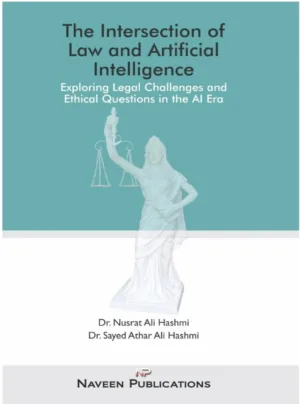
The Intersection of Law and Artificial Intelligence
🔥 7 items sold in last 7 days

Important Civil Acts covering 15 Acts
🔥 6 items sold in last 7 days
Rated 5.00 out of 5
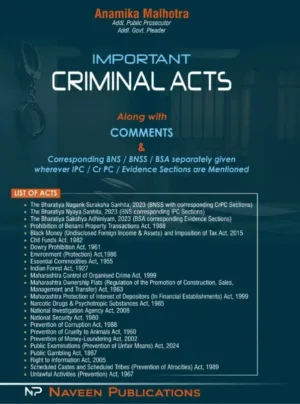
Important Criminal Acts covering 25 Acts
🔥 7 items sold in last 7 days

Criminology & Penology
🔥 2 items sold in last 7 days
Media Laws
🔥 4 items sold in last 7 days
Reviews
There are no reviews yet.