No products in the cart.

Shopping cart (0)
Subtotal: ₹0.00
Spend ₹350.00 to get free shipping
Congratulations! You've got free shipping.
Menu
Category
- Advocate Office Essentials
- Apparels – Judges, Sr. Counsel and Lawyers
- Artifacts / Gift Items
- Bare Acts – Central
- Bare Acts – State
- Commentaries
- Administrative Law
- Agriculture
- Arbitration
- Banking Law
- Biographies
- Civil Law
- Company Law
- Constitutional Law
- Consumer Law
- Contract Law
- Corporate Law
- Court Rules
- Criminal Law
- Cyber Law
- Family Law
- Intellectual Property
- Labour & Service Law
- Drafting, Pleading and Conveyancing
- Child Advocacy & POCSO
- Bankruptcy & Insolvency
- Shipping & Maritime Law
- Medical Law
- Motor Vehicles Law
- Others
- Tax Laws
- Dictionaries
- Digest
- Journals
- Regional
- Students Corner
- Trophies
- International Books
No products in the cart.
Shopping cart (0)
Subtotal: ₹0.00
Spend ₹350.00 to get free shipping
Congratulations! You've got free shipping.
No products in the cart.
Shopping cart (0)
Subtotal: ₹0.00
Spend ₹350.00 to get free shipping
Congratulations! You've got free shipping.
Menu
Categories
- Advocate Office Essentials
- Advocates Shop
- Apparels - Judges, Sr. Counsel and Lawyers
- Apparels - Judges,Sr. Counsel and Lawyers
- Artifacts / Gift Items
- Bare Acts - Central
- Bare Acts - State
- Civil Laws
- Commentaries
- Administrative Law
- Agriculture
- Arbitration
- Banking Law
- Bankruptcy & Insolvency
- Biographies
- Child Advocacy & POCSO
- Civil Law
- Company Law
- Constitutional Law
- Consumer Law
- Contract Law
- Corporate Law
- Court Rules
- Criminal Law
- Cyber Law
- Drafting, Pleading and Conveyancing
- Family Law
- Intellectual Property
- Labour & Service Law
- Medical Law
- Motor Vehicles Law
- Others
- Shipping & Maritime Law
- Tax Laws
- Decor
- Dictionaries
- Digest
- Exclusive Collection
- International Books
- Journals
- Regional
- Software
- Students Corner
- Trophies
- Uncategorized
Sale

Frankenstein; Or; The Modern Prometheus Edition 2026,PB
₹550.00 Original price was: ₹550.00.₹440.00Current price is: ₹440.00.
🔥 7 items sold in last 7 days
27 people are viewing this product right now
Frankenstein; or, The Modern Prometheus is a groundbreaking Gothic novel that explores science, ambition, and the consequences of human creation. The story follows Victor Frankenstein, a scientist who creates a living being through unnatural means, only to face tragic results. Through themes of responsibility, isolation, and the limits of knowledge, the novel raises important moral and philosophical questions. Written in a compelling and emotional style, this classic is widely studied and remains one of the most influential works in both science fiction and horror literature.
In stock
Estimated delivery:September 9, 2026 - September 11, 2026
| Authors of Books | Mary W. Shelley |
|---|
Must have in your Library
Frankenstein; or, The Modern Prometheus (Edition 2026) by Mary Shelley is one of the most important works in Gothic and early science fiction literature. The novel tells the story of Victor Frankenstein, an ambitious scientist who succeeds in creating life through scientific experimentation. However, the creature he brings to life is rejected by society due to its appearance, leading to loneliness, suffering, and a desire for revenge. The tragic consequences of Victor’s actions highlight the dangers of unchecked ambition and the ethical responsibilities of scientific discovery. The novel explores deep themes such as creation and responsibility, isolation, human identity, and the pursuit of knowledge. Shelley raises critical questions about the role of science and the moral limits that should guide it. Written in an epistolary and narrative style, the book combines emotional storytelling with philosophical reflection. It remains widely studied in literature, science, and ethics courses for its relevance and depth. Overall, “Frankenstein” is a timeless masterpiece that continues to resonate with modern readers, offering powerful insights into human nature, scientific ambition, and moral responsibility.
| Authors of Books | Mary W. Shelley |
|---|
Be the first to review “Frankenstein; Or; The Modern Prometheus Edition 2026,PB” Cancel reply
Featured Products
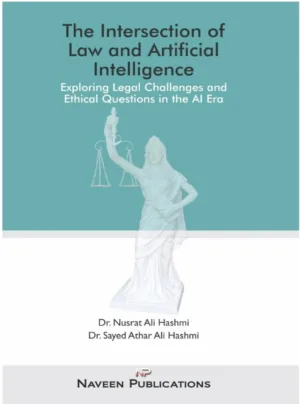
The Intersection of Law and Artificial Intelligence
🔥 7 items sold in last 7 days

Important Civil Acts covering 15 Acts
🔥 6 items sold in last 7 days
Rated 5.00 out of 5
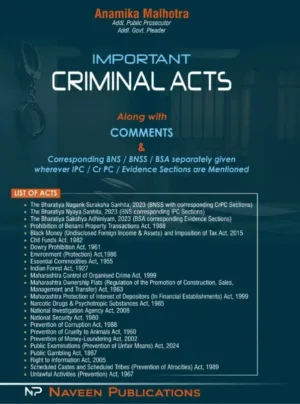
Important Criminal Acts covering 25 Acts
🔥 7 items sold in last 7 days

Criminology & Penology
🔥 2 items sold in last 7 days
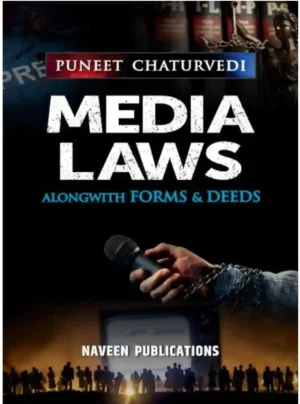
Media Laws
🔥 4 items sold in last 7 days
Reviews
There are no reviews yet.