No products in the cart.


Shopping cart (0)
Subtotal: ₹0.00
Spend ₹350.00 to get free shipping
Congratulations! You've got free shipping.
Menu
Category
- Advocate Office Essentials
- Apparels – Judges, Sr. Counsel and Lawyers
- Artifacts / Gift Items
- Bare Acts – Central
- Bare Acts – State
- Commentaries
- Administrative Law
- Agriculture
- Arbitration
- Banking Law
- Biographies
- Civil Law
- Company Law
- Constitutional Law
- Consumer Law
- Contract Law
- Corporate Law
- Court Rules
- Criminal Law
- Cyber Law
- Family Law
- Intellectual Property
- Labour & Service Law
- Drafting, Pleading and Conveyancing
- Child Advocacy & POCSO
- Bankruptcy & Insolvency
- Shipping & Maritime Law
- Medical Law
- Motor Vehicles Law
- Others
- Tax Laws
- Dictionaries
- Digest
- Journals
- Regional
- Students Corner
- Trophies
- International Books
No products in the cart.
Shopping cart (0)
Subtotal: ₹0.00
Spend ₹350.00 to get free shipping
Congratulations! You've got free shipping.

No products in the cart.
Shopping cart (0)
Subtotal: ₹0.00
Spend ₹350.00 to get free shipping
Congratulations! You've got free shipping.
Menu
Categories
- Advocate Office Essentials
- Advocates Shop
- Apparels - Judges, Sr. Counsel and Lawyers
- Apparels - Judges,Sr. Counsel and Lawyers
- Artifacts / Gift Items
- Bare Acts - Central
- Bare Acts - State
- Civil Laws
- Commentaries
- Administrative Law
- Agriculture
- Arbitration
- Banking Law
- Bankruptcy & Insolvency
- Biographies
- Child Advocacy & POCSO
- Civil Law
- Company Law
- Constitutional Law
- Consumer Law
- Contract Law
- Corporate Law
- Court Rules
- Criminal Law
- Cyber Law
- Drafting, Pleading and Conveyancing
- Family Law
- Intellectual Property
- Labour & Service Law
- Medical Law
- Motor Vehicles Law
- Others
- Shipping & Maritime Law
- Tax Laws
- Decor
- Dictionaries
- Digest
- Exclusive Collection
- International Books
- Journals
- Regional
- Software
- Students Corner
- Trophies
- Uncategorized
Sale

Community Institutions & Natural Resourse Governance in the Uttarakhand Himalaya Edition 2025,HB
₹795.00 Original price was: ₹795.00.₹636.00Current price is: ₹636.00.
🔥 2 items sold in last 7 days
46 people are viewing this product right now
Community Institutions & Natural Resource Governance in the Uttarakhand Himalaya examines the role of local institutions in managing natural resources in fragile mountain ecosystems. Focusing on the Uttarakhand Himalayan region, the book highlights community participation in forest management, water conservation, and sustainable livelihoods. It explores traditional knowledge systems alongside modern governance frameworks to address environmental challenges. Designed for students, researchers, and policymakers, this edition provides valuable insights into decentralized governance and grassroots environmental management. It is an essential resource for understanding how community-led initiatives contribute to sustainable development in ecologically sensitive regions.
In stock
Estimated delivery:November 10, 2026 - November 12, 2026
| Authors of Books | Dr. Anil Kumar Mishra |
|---|
Must have in your Library
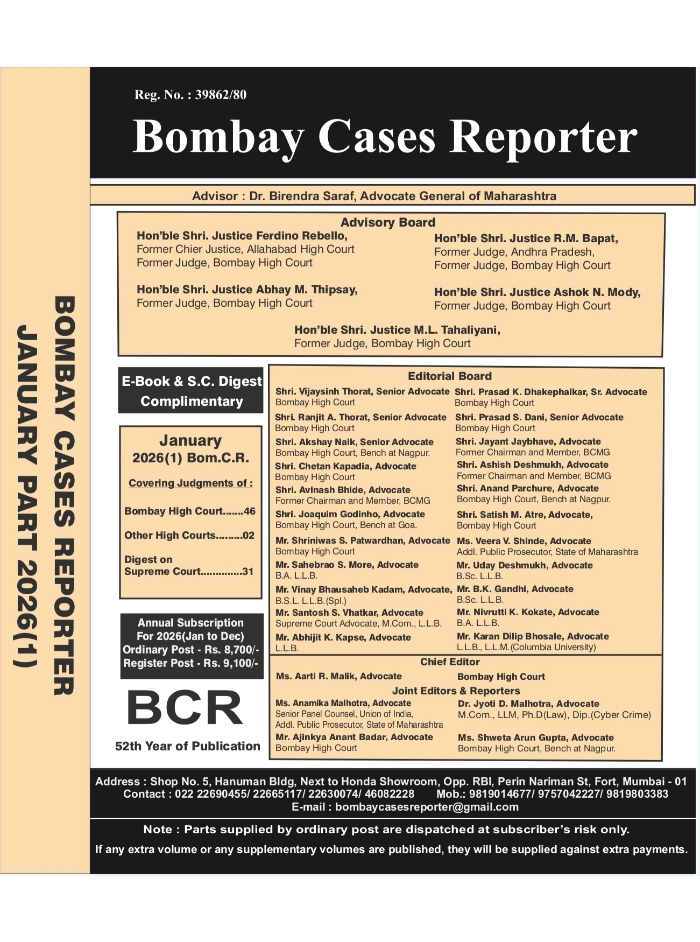
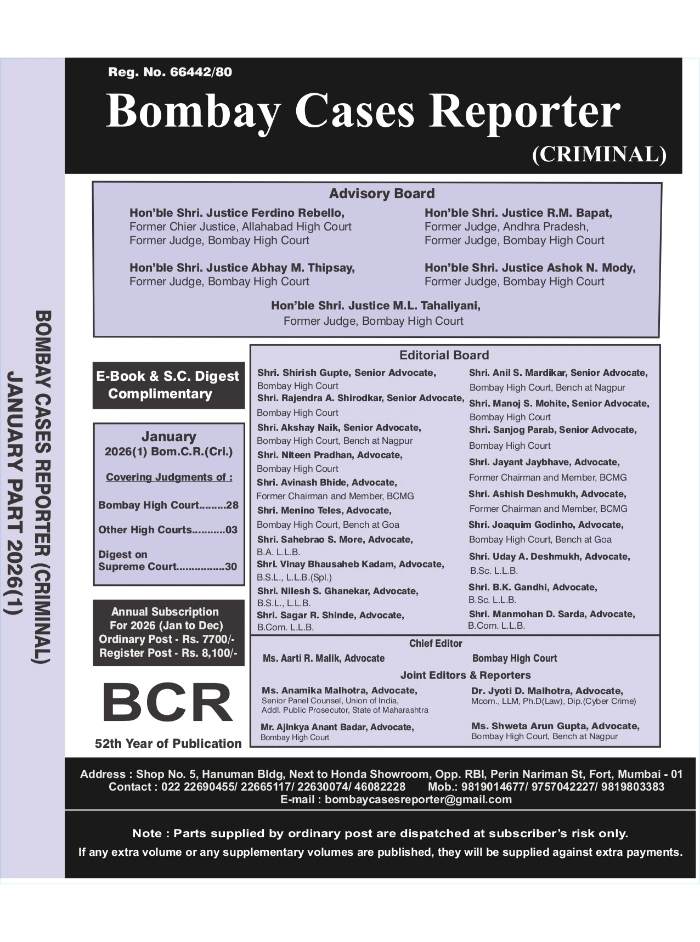
Community Institutions & Natural Resource Governance in the Uttarakhand Himalaya (Edition 2025) offers a comprehensive analysis of how local communities play a crucial role in managing natural resources in the Uttarakhand Himalaya. The book emphasizes the importance of community-based institutions in ensuring sustainable and equitable use of natural resources. It explores key themes such as forest governance, water resource management, biodiversity conservation, and rural livelihoods. The text highlights the significance of traditional ecological knowledge and collective decision-making processes in maintaining environmental balance in mountainous regions. Special focus is given to grassroots institutions such as village councils, forest user groups, and local cooperatives, demonstrating how decentralized governance can be more effective than centralized approaches. The book also examines policy frameworks, government initiatives, and the role of non-governmental organizations in supporting community participation. Through case studies and field-based research, readers gain insights into real-world challenges such as deforestation, climate change, and resource conflicts. The book also discusses sustainable solutions that integrate ecological conservation with socio-economic development. Ideal for students of environmental studies, geography, sociology, and development studies, as well as policymakers and researchers, this edition serves as a valuable resource for understanding community-driven natural resource governance in the Himalayan region.
| Authors of Books | Dr. Anil Kumar Mishra |
|---|
Be the first to review “Community Institutions & Natural Resourse Governance in the Uttarakhand Himalaya Edition 2025,HB” Cancel reply
Featured Products
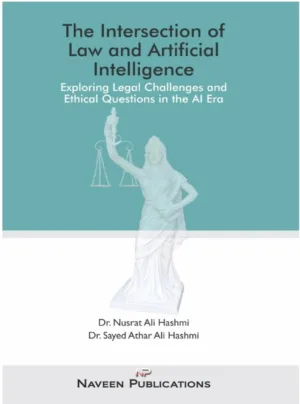
The Intersection of Law and Artificial Intelligence
🔥 2 items sold in last 7 days
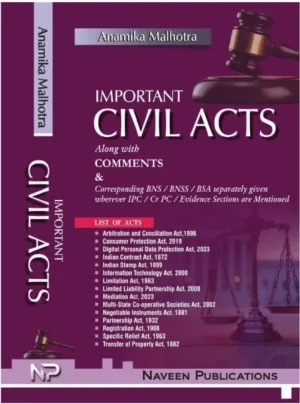
Important Civil Acts covering 15 Acts
🔥 3 items sold in last 7 days
Rated 5.00 out of 5
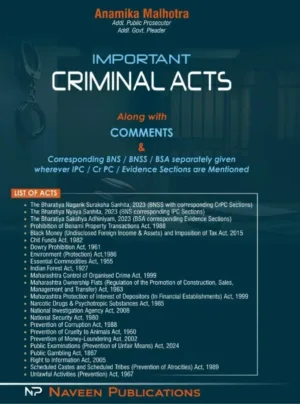
Important Criminal Acts covering 25 Acts
🔥 7 items sold in last 7 days
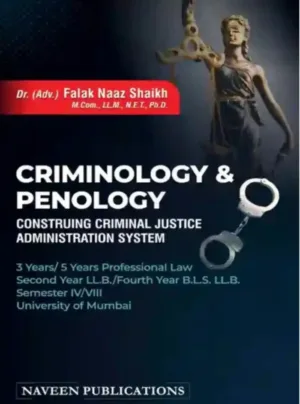
Criminology & Penology
🔥 6 items sold in last 7 days

Media Laws
🔥 6 items sold in last 7 days
Reviews
There are no reviews yet.