No products in the cart.


Shopping cart (0)
Subtotal: ₹0.00
Spend ₹350.00 to get free shipping
Congratulations! You've got free shipping.

Menu
Categories
- Advocate Office Essentials
- Advocates Shop
- Apparels - Judges, Sr. Counsel and Lawyers
- Apparels - Judges,Sr. Counsel and Lawyers
- Artifacts / Gift Items
- Bare Acts - Central
- Bare Acts - State
- Commentaries
- Administrative Law
- Arbitration
- Banking Law
- Bankruptcy & Insolvency
- Biographies
- Child Advocacy & POCSO
- Civil Law
- Company Law
- Constitutional Law
- Consumer Law
- Contract Law
- Corporate Law
- Court Rules
- Criminal Law
- Cyber Law
- Drafting, Pleading and Conveyancing
- Family Law
- Intellectual Property
- Labour & Service Law
- Medical Law
- Motor Vehicles Law
- Others
- Shipping & Maritime Law
- Tax Laws
- Decor
- Dictionaries
- Digest
- Exclusive Collection
- International Books
- Journals
- Regional
- Software
- Students Corner
- Trophies
- Uncategorized
No products in the cart.
Shopping cart (0)
Subtotal: ₹0.00
Spend ₹350.00 to get free shipping
Congratulations! You've got free shipping.
Sale
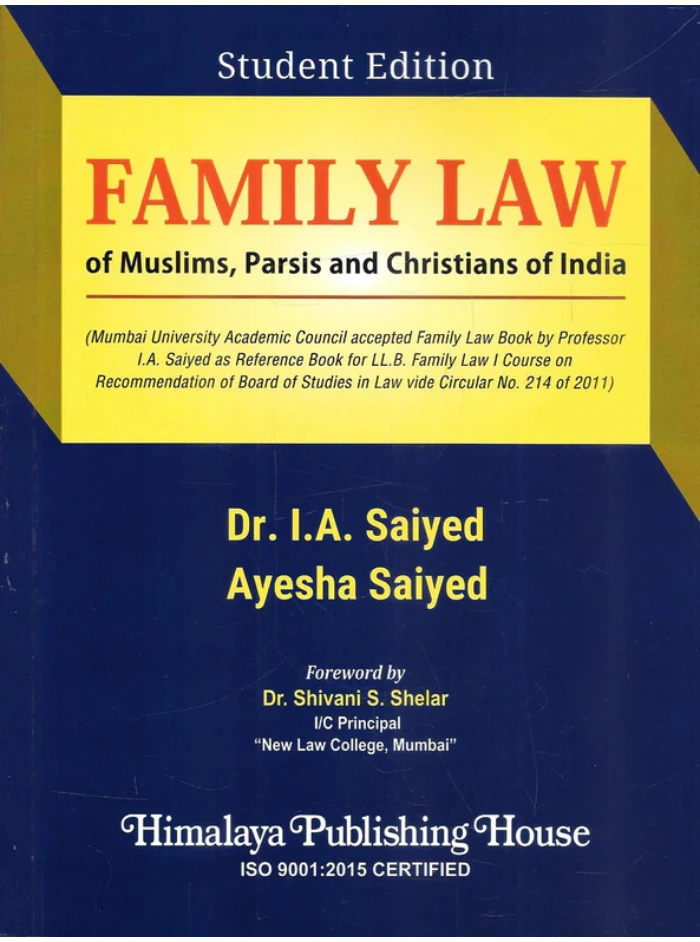
Family Law of Muslims Parsis and Christians of India
₹275.00 Original price was: ₹275.00.₹220.00Current price is: ₹220.00.
🔥 2 items sold in last 7 days
21 people are viewing this product right now
Family Law of Muslims, Parsis and Christians of India examines the legal principles governing family relationships under different religious personal laws in India. The book explains statutory provisions and judicial interpretations related to marriage, divorce, maintenance, guardianship, and succession. It provides a comparative understanding of how personal laws regulate family matters across these communities.
In stock
SKU:
NP5008
Categories: Commentaries, Family Law
Brand:
Himalaya Publishing House
Tag: Commentaries , Family Law
Estimated delivery:May 5, 2026 - May 7, 2026
| Authors of Books | Dr. I. A. Saiyed & Ayesha Saiyed |
|---|
Must have in your Library
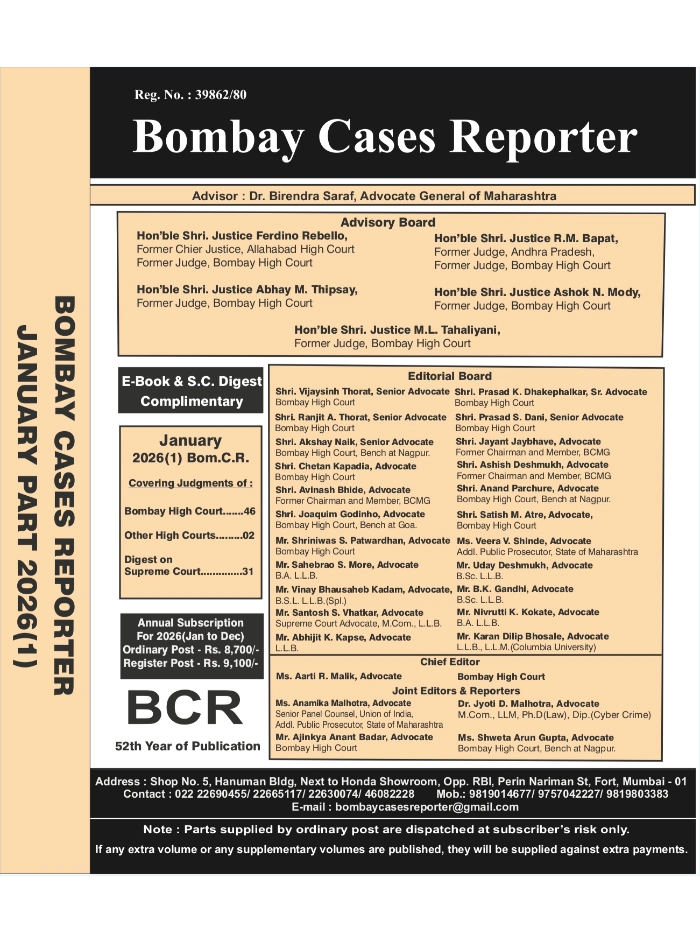
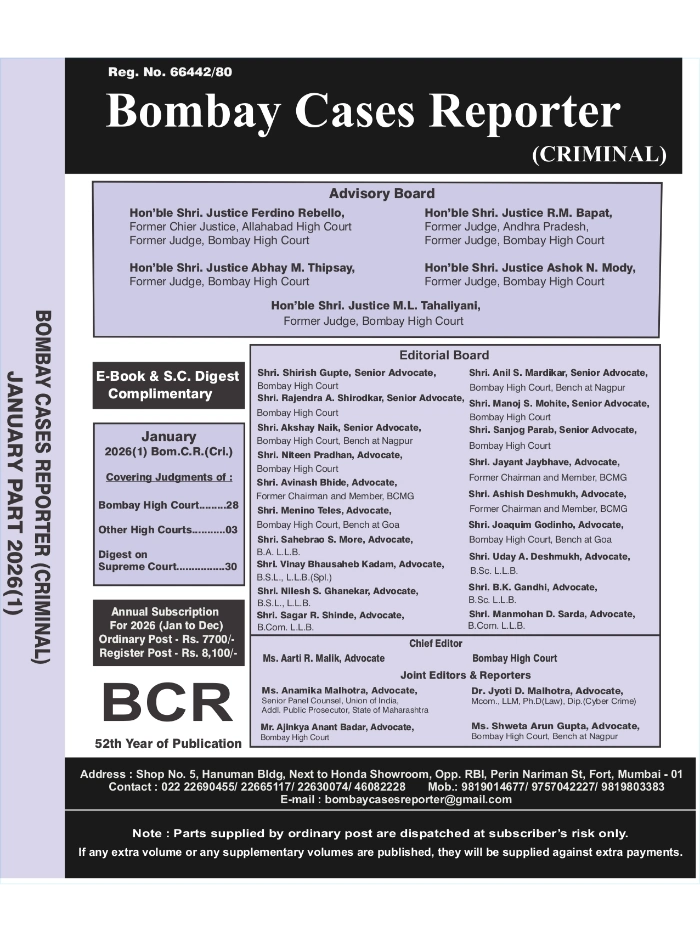
Family Law of Muslims, Parsis and Christians of India provides an in-depth study of the legal principles governing family relationships under the personal law systems of three major religious communities in India. The book examines how Muslim, Parsi, and Christian family laws regulate important aspects of personal life such as marriage, divorce, maintenance, guardianship, legitimacy of children, and succession. The work explores the statutory framework that governs these communities, including laws relating to Christian marriages and divorces, Parsi matrimonial law, and the principles of Muslim personal law derived from religious and legal sources. It explains the essential conditions for a valid marriage, the legal grounds for divorce, rights and obligations of spouses, and provisions for maintenance and custody. In addition to statutory provisions, the book highlights key judicial interpretations delivered by Indian courts, helping readers understand how personal law principles are applied in real legal disputes. The comparative structure of the book enables readers to see both the similarities and distinctions among the family law systems applicable to different religious groups. Written in a clear and systematic manner, the book aims to make complex legal concepts accessible to students and professionals alike. It provides a reliable academic and practical reference for understanding the pluralistic nature of family law in India. Overall, the book serves as an essential guide to the operation of personal laws in India and their role in regulating family relationships across diverse religious communities.
| Authors of Books | Dr. I. A. Saiyed & Ayesha Saiyed |
|---|
Be the first to review “Family Law of Muslims Parsis and Christians of India” Cancel reply
Featured Products
The Intersection of Law and Artificial Intelligence
🔥 4 items sold in last 7 days
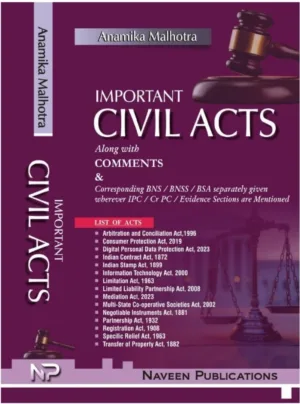
Important Civil Acts covering 15 Acts
🔥 5 items sold in last 7 days
Rated 5.00 out of 5
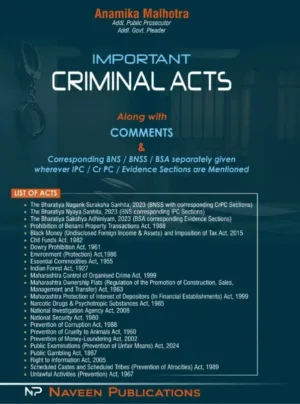
Important Criminal Acts covering 25 Acts
🔥 7 items sold in last 7 days

Criminology & Penology
🔥 6 items sold in last 7 days
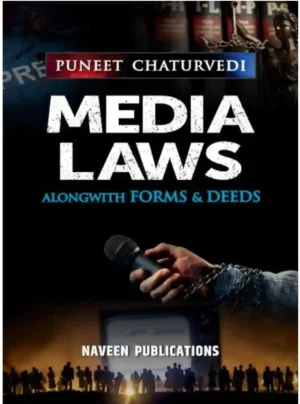
Media Laws
🔥 2 items sold in last 7 days
Reviews
There are no reviews yet.