No products in the cart.


Shopping cart (0)
Subtotal: ₹0.00
Spend ₹350.00 to get free shipping
Congratulations! You've got free shipping.
Menu
Category
- Advocate Office Essentials
- Apparels – Judges, Sr. Counsel and Lawyers
- Artifacts / Gift Items
- Bare Acts – Central
- Bare Acts – State
- Commentaries
- Administrative Law
- Agriculture
- Arbitration
- Banking Law
- Biographies
- Civil Law
- Company Law
- Constitutional Law
- Consumer Law
- Contract Law
- Corporate Law
- Court Rules
- Criminal Law
- Cyber Law
- Family Law
- Intellectual Property
- Labour & Service Law
- Drafting, Pleading and Conveyancing
- Child Advocacy & POCSO
- Bankruptcy & Insolvency
- Shipping & Maritime Law
- Medical Law
- Motor Vehicles Law
- Others
- Tax Laws
- Dictionaries
- Digest
- Journals
- Regional
- Students Corner
- Trophies
- International Books
No products in the cart.
Shopping cart (0)
Subtotal: ₹0.00
Spend ₹350.00 to get free shipping
Congratulations! You've got free shipping.
Naveen Publications | Crafted by Naveens
No products in the cart.
Shopping cart (0)
Subtotal: ₹0.00
Spend ₹350.00 to get free shipping
Congratulations! You've got free shipping.
Menu
Categories
- Advocate Office Essentials
- Advocates Shop
- Apparels - Judges, Sr. Counsel and Lawyers
- Apparels - Judges,Sr. Counsel and Lawyers
- Artifacts / Gift Items
- Bare Acts - Central
- Bare Acts - State
- Civil Laws
- Commentaries
- Administrative Law
- Agriculture
- Arbitration
- Banking Law
- Bankruptcy & Insolvency
- Biographies
- Child Advocacy & POCSO
- Civil Law
- Company Law
- Constitutional Law
- Consumer Law
- Contract Law
- Corporate Law
- Court Rules
- Criminal Law
- Cyber Law
- Drafting, Pleading and Conveyancing
- Family Law
- Intellectual Property
- Labour & Service Law
- Medical Law
- Motor Vehicles Law
- Others
- Shipping & Maritime Law
- Tax Laws
- Decor
- Dictionaries
- Digest
- Exclusive Collection
- International Books
- Journals
- Regional
- Software
- Students Corner
- Trophies
- Uncategorized
Sale
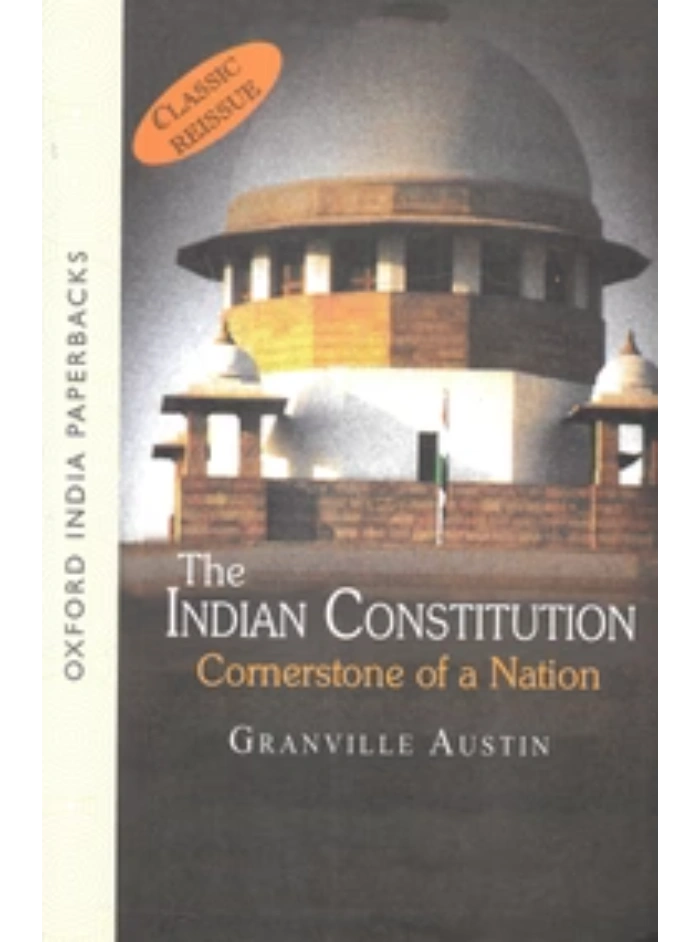
The Informal Constitution
₹595.00 Original price was: ₹595.00.₹476.00Current price is: ₹476.00.
🔥 3 items sold in last 7 days
14 people are viewing this product right now
The Informal Constitution explores the unwritten and informal mechanisms governing the selection of judges for India’s Supreme Court. It examines how conventions, collegium practices, and legal traditions shape judicial appointments alongside constitutional provisions. The book offers critical insights into transparency, accountability, and governance in the Indian judiciary.
In stock
SKU:
NP4980
Categories: Commentaries, Constitutional Law, Students Corner, Text Books
Brand:
Oxford India Paperbacks
Tag: Commentaries , Constitutional Law, Students Corner , Text books
Estimated delivery:September 10, 2026 - September 14, 2026
| Authors of Books | Granville Austin |
|---|
Must have in your Library
The Informal Constitution provides a comprehensive study of the judicial appointment process, highlighting the interplay between formal constitutional provisions and unwritten conventions. The book explores the Collegium system, historical practices, and criteria used in selecting judges, offering readers a critical understanding of how India’s highest judiciary is staffed.
Through detailed analysis, the text examines transparency, accountability, and governance challenges associated with judicial appointments. It discusses the legal and institutional frameworks alongside informal practices, presenting case studies and historical examples to illustrate how judicial selection has evolved over time. The book also highlights the implications of these unwritten criteria on judicial independence and the administration of justice, offering nuanced perspectives on contemporary debates around reforms and transparency in the judiciary.
The USP of the book lies in its focus on the informal constitution and its real-world impact on judicial governance, providing insights that are rarely documented in conventional legal texts. It bridges the gap between constitutional theory, administrative practice, and practical judicial realities.
Ideal for law students, judicial aspirants, legal researchers, practicing lawyers, and academicians, this work serves as both a study guide and a reference for understanding the governance, ethics, and selection processes that underpin India’s Supreme Court.
| Authors of Books | Granville Austin |
|---|
Be the first to review “The Informal Constitution” Cancel reply
Featured Products
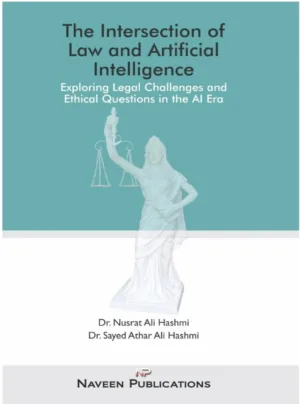
The Intersection of Law and Artificial Intelligence
🔥 2 items sold in last 7 days
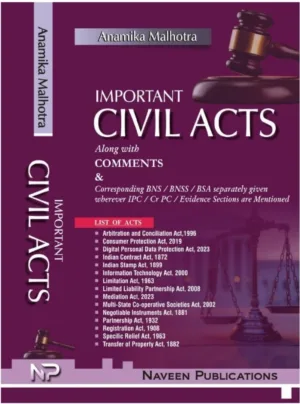
Important Civil Acts covering 15 Acts
🔥 6 items sold in last 7 days
Rated 5.00 out of 5
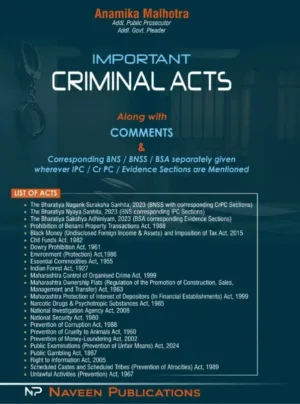
Important Criminal Acts covering 25 Acts
🔥 3 items sold in last 7 days
Criminology & Penology
🔥 3 items sold in last 7 days
Media Laws
🔥 2 items sold in last 7 days
Reviews
There are no reviews yet.