No products in the cart.

Shopping cart (0)
Subtotal: ₹0.00
Spend ₹350.00 to get free shipping
Congratulations! You've got free shipping.
Menu
Category
- Advocate Office Essentials
- Apparels – Judges, Sr. Counsel and Lawyers
- Artifacts / Gift Items
- Bare Acts – Central
- Bare Acts – State
- Commentaries
- Administrative Law
- Agriculture
- Arbitration
- Banking Law
- Biographies
- Civil Law
- Company Law
- Constitutional Law
- Consumer Law
- Contract Law
- Corporate Law
- Court Rules
- Criminal Law
- Cyber Law
- Family Law
- Intellectual Property
- Labour & Service Law
- Drafting, Pleading and Conveyancing
- Child Advocacy & POCSO
- Bankruptcy & Insolvency
- Shipping & Maritime Law
- Medical Law
- Motor Vehicles Law
- Others
- Tax Laws
- Dictionaries
- Digest
- Journals
- Regional
- Students Corner
- Trophies
- International Books
No products in the cart.
Shopping cart (0)
Subtotal: ₹0.00
Spend ₹350.00 to get free shipping
Congratulations! You've got free shipping.

No products in the cart.
Shopping cart (0)
Subtotal: ₹0.00
Spend ₹350.00 to get free shipping
Congratulations! You've got free shipping.
Menu
Categories
- Advocate Office Essentials
- Advocates Shop
- Apparels - Judges, Sr. Counsel and Lawyers
- Apparels - Judges,Sr. Counsel and Lawyers
- Artifacts / Gift Items
- Bare Acts - Central
- Bare Acts - State
- Civil Laws
- Commentaries
- Administrative Law
- Agriculture
- Arbitration
- Banking Law
- Bankruptcy & Insolvency
- Biographies
- Child Advocacy & POCSO
- Civil Law
- Company Law
- Constitutional Law
- Consumer Law
- Contract Law
- Corporate Law
- Court Rules
- Criminal Law
- Cyber Law
- Drafting, Pleading and Conveyancing
- Family Law
- Intellectual Property
- Labour & Service Law
- Medical Law
- Motor Vehicles Law
- Others
- Shipping & Maritime Law
- Tax Laws
- Decor
- Dictionaries
- Digest
- Exclusive Collection
- International Books
- Journals
- Regional
- Software
- Students Corner
- Trophies
- Uncategorized
Sale

The Paradoxes of Legal Science Indian Reprint, 2023
₹295.00 Original price was: ₹295.00.₹236.00Current price is: ₹236.00.
🔥 2 items sold in last 7 days
23 people are viewing this product right now
The Paradoxes of Legal Science explores the inherent contradictions within law when viewed as a scientific discipline. It challenges rigid legal formalism by highlighting the tension between logic, justice, and social realities. The book remains a vital resource for understanding the complexities of jurisprudence.
In stock
SKU:
NP2593
Categories: Books, International Books
Brand:
Law & Justice Publishing Co
Tag: International Books , Books
Estimated delivery:November 6, 2026 - November 10, 2026
| Authors of Books | Benjamin Cardozo |
|---|
Must have in your Library
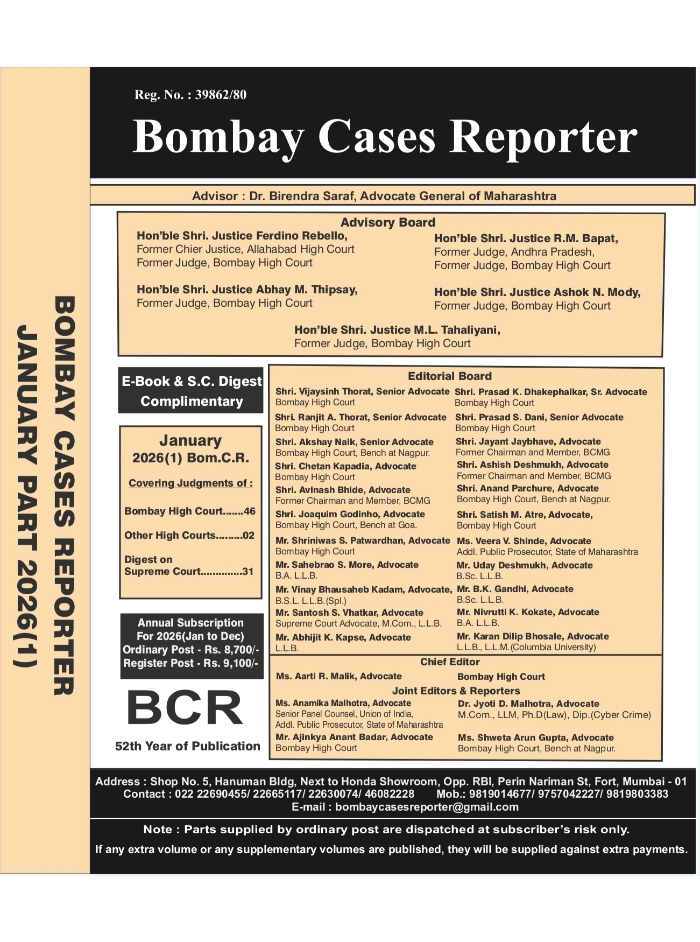
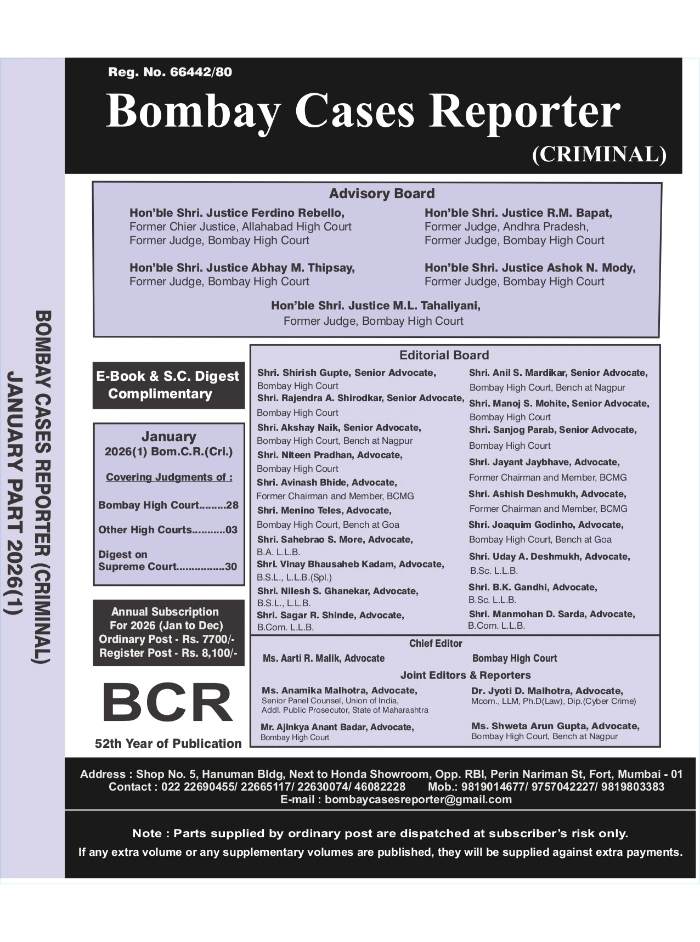
The Paradoxes of Legal Science is a profound jurisprudential work that critically examines the assumptions underlying law as a systematic and rational science. The book investigates the tensions between certainty and flexibility, rules and discretion, logic and justice—paradoxes that lie at the heart of every legal system. Through philosophical analysis, the author questions whether law can ever achieve the precision of a true science, given its dependence on human judgment, moral values, and social context. The work exposes the limitations of strict legal formalism and underscores the role of interpretation and judicial creativity in resolving legal conflicts. By addressing these contradictions, the book offers a more realistic understanding of how law functions in practice. This Indian reprint continues to be relevant for law students, scholars, and practitioners seeking a deeper and more critical understanding of jurisprudence. It is particularly valuable for advanced study in legal theory, philosophy of law, and judicial reasoning, making it an essential reference for academic and competitive examination preparation.
| Authors of Books | Benjamin Cardozo |
|---|
Be the first to review “The Paradoxes of Legal Science Indian Reprint, 2023” Cancel reply
Featured Products
The Intersection of Law and Artificial Intelligence
🔥 6 items sold in last 7 days
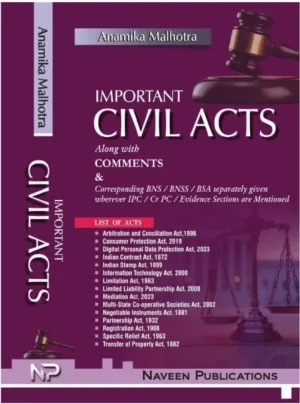
Important Civil Acts covering 15 Acts
🔥 3 items sold in last 7 days
Rated 5.00 out of 5
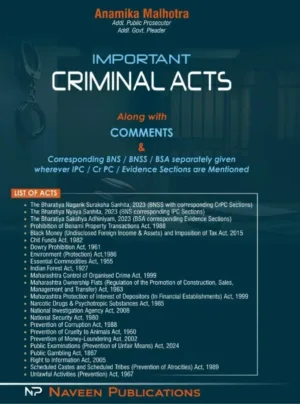
Important Criminal Acts covering 25 Acts
🔥 6 items sold in last 7 days

Criminology & Penology
🔥 6 items sold in last 7 days
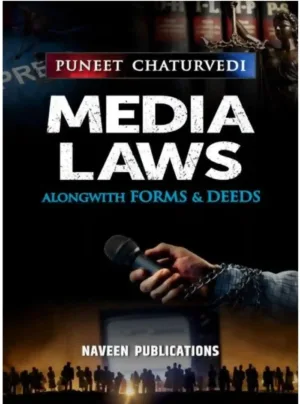
Media Laws
🔥 6 items sold in last 7 days
Reviews
There are no reviews yet.